Implementing Real-Time Shadow and Environment Mapping
As part of my computer graphics coursework, I built an engine to explore two fundamental rasterization techniques used to dramatically improve the realism of 3D scenes: Shadow Mapping and Environment Mapping.
While rasterization is incredibly fast, it doesn’t naturally handle global light interactions like shadows or reflections. These mapping techniques act as clever workarounds to simulate these physical properties in real-time rendering environments.
Demonstration #
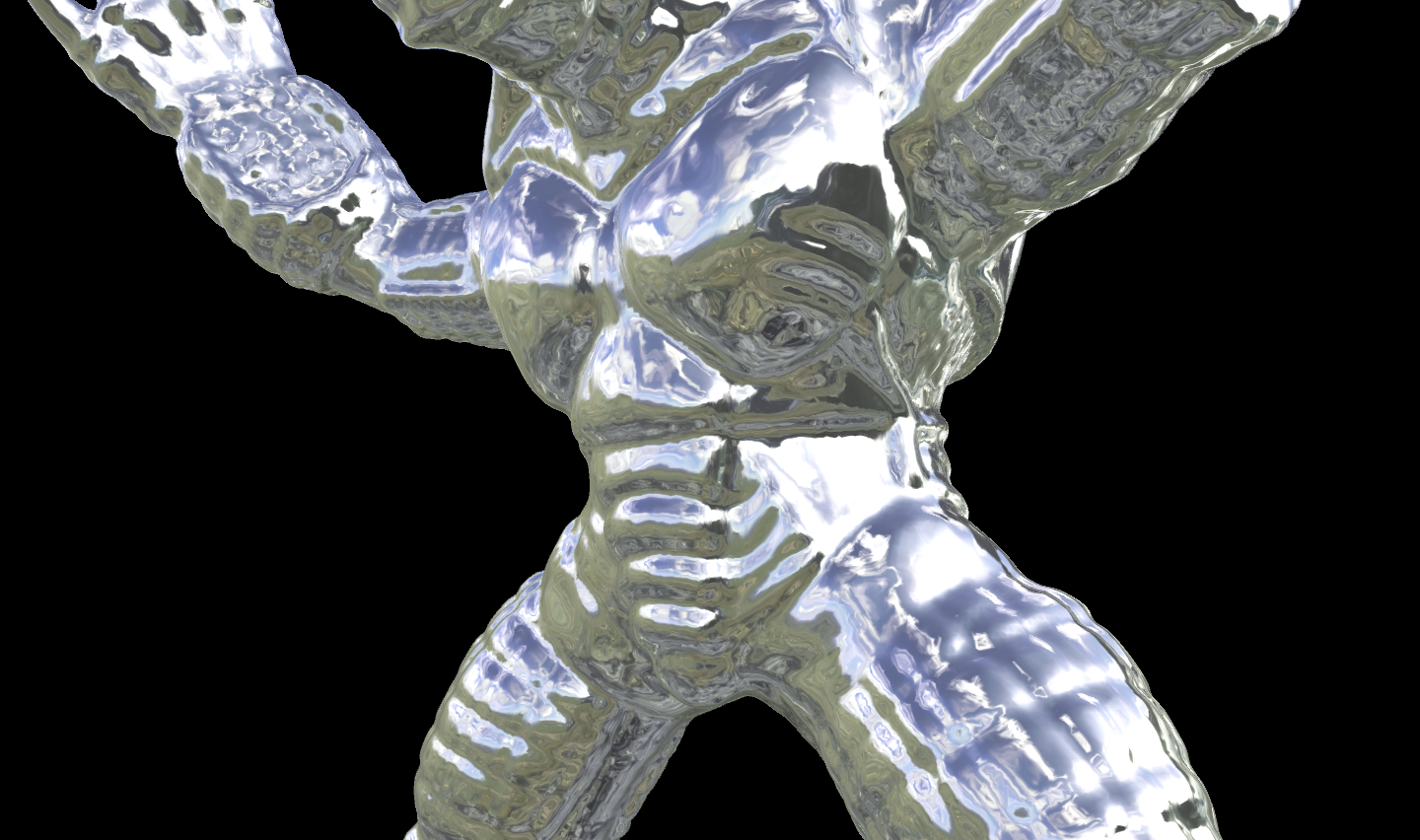
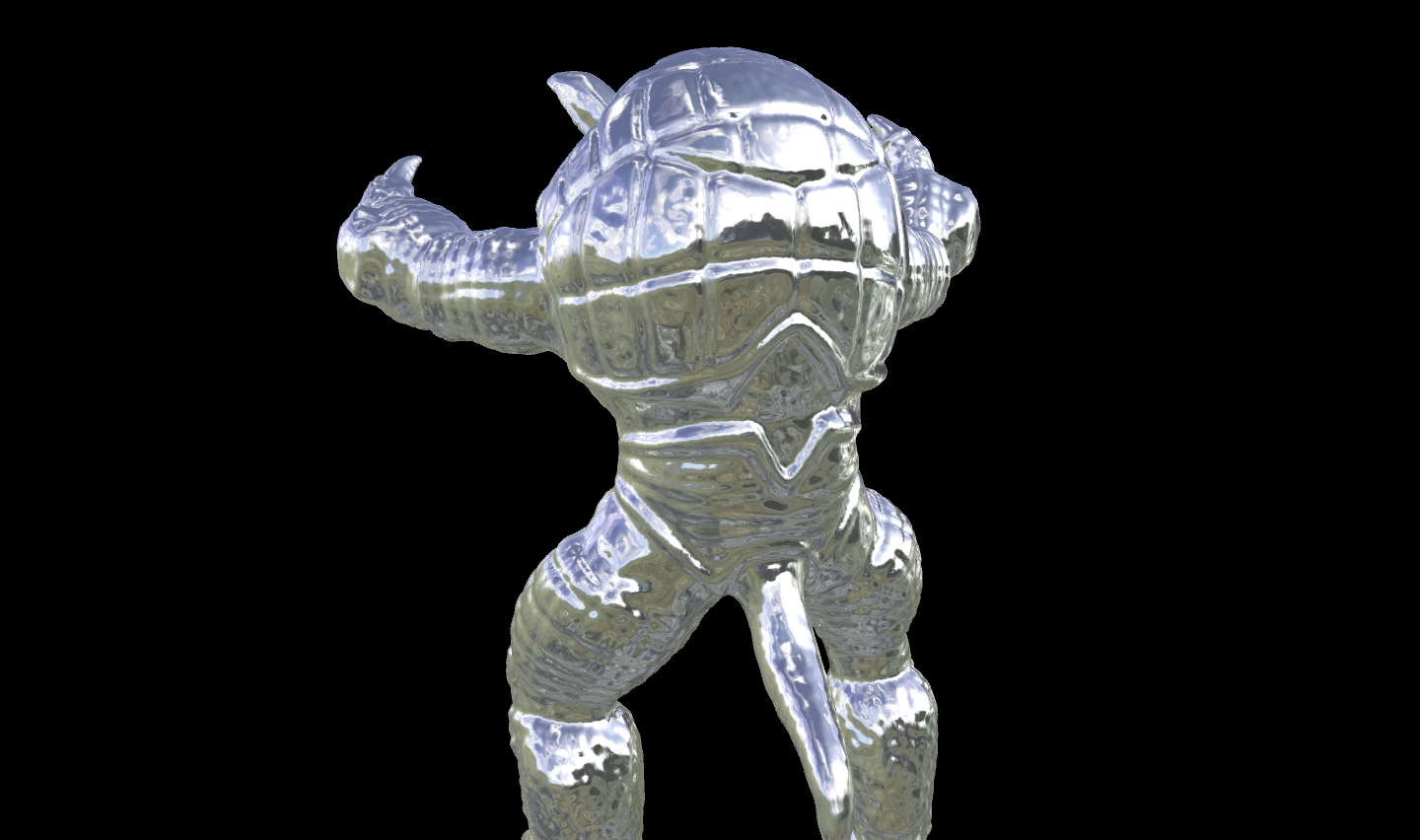
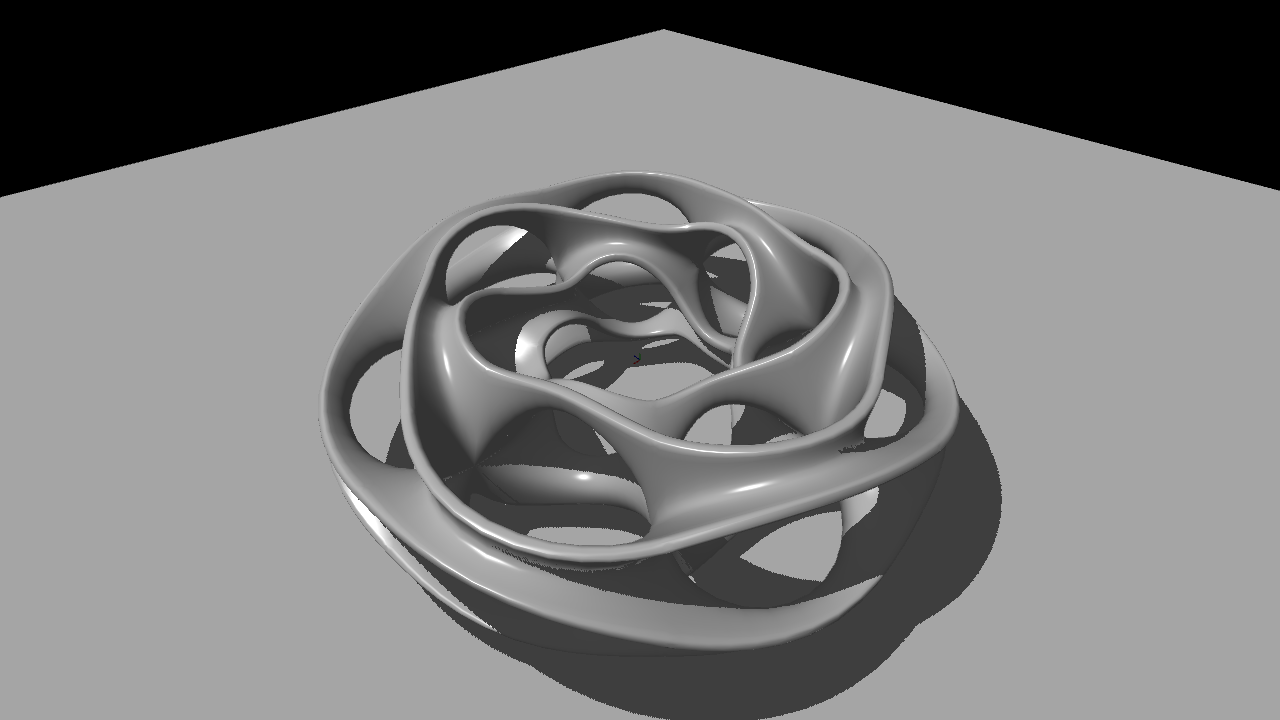
The video below demonstrates the engine running in real-time. It showcases dynamic shadow casting as the light source moves across the scene, and environment mapping on complex geometric models (the Stanford Armadillo and a Heptoroid).
Technical Overview #
- Shadow Mapping: This technique involves a two-pass rendering system. First, the scene is rendered from the perspective of the light source to create a “depth map.” During the final render pass from the camera’s perspective, this map is sampled to determine if a pixel is in shadow or directly illuminated by the light.
- Environment Mapping: Also known as reflection mapping, this technique uses a pre-rendered image of the surrounding scene (often a cube map or sphere map) to simulate highly reflective, mirror-like surfaces without the immense computational cost of tracing individual reflection rays.
Render Gallery #
Here are some high-resolution stills from the project, demonstrating the sharp reflections and self-shadowing on the models.